

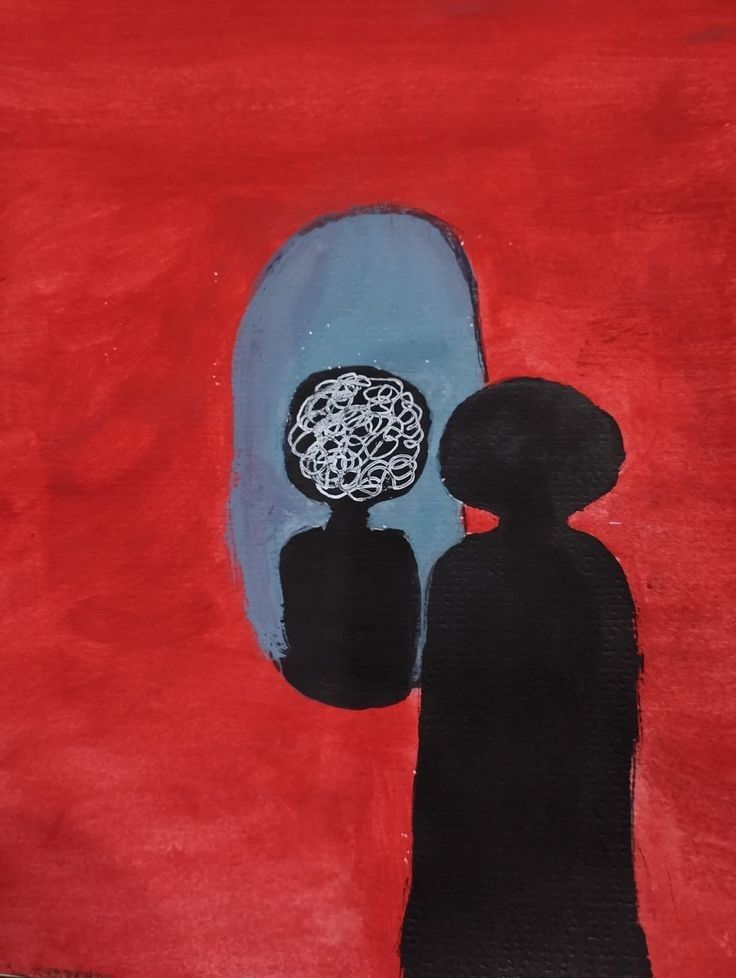
what is the saying about trust that has struck you the most?
I asked a couple of friends to define what trust meant to them and the struggle was real. It first started as an attempt to explain it as when a person or phenomenon meets certain expectations to eventually having most of them saying “I have trust issues”.
I decided to flip the question by asking “How do you feel betrayed?” and the results didn’t quite change either so maybe this is a question I should pose to a larger group of people.
The inspiration for this post was my relentless binge-watching of scandal, I still haven’t finished the series by the way but I remember thinking to myself, is it still trust if it is based on our expectations of a person’s capability to deliver?
For example, we trust that a person should not harm us because we have been able to establish in our minds that they are safe and care about us sufficiently not to want to bring us harm, or even that they seem to uphold certain morality clauses and are less inclined to be criminally minded. We trust that our partners and friends will be there for us through certain events we face because we have rationalized to ourselves the parameters of such familiarity and bond.
We trust institutions, ideals, objects, status, and certain events simply because we can rationalize it. In some instances, we trust depending on what is at stake. Trust is a subconsciously conscious process. Sometimes, we trust without knowing why, when, or how, until the trust we had is broken. Then we are confronted with the extent of it. Sometimes we decide to trust a person consciously based on facts we have on them.
However, one thing rings true, trust is fragile and malleable. In the end, what we trust is not necessarily another person but rather what we have come to think of another person or an idea. Back to the series, everyone kept making tough and quite frankly immoral decisions based on what they considered “in the best interest of Fitz”, they made sacrifices they thought were necessary to keep him in the white house and ensure his continued presidency because they had faith in him despite his imperfections.
Did that stop them from being hurt or hurting him? Nope. Nothing changed really, only that they still had to somehow trust that the other party meant well even when the outcome did not quite match the facts. This is the most baffling element of trust for me.
Ideally, trust or trusting a person changes based on available information, in fact, that is how it works. We trust that our partners are faithful up until we get evidence to the contrary.
Towards the end of one of my relationships, I remember him saying to me “Why will you let this end us, in my books, there is nothing you could do that will ever make me not choose you”. Well, that statement has haunted me for a while because it made me question the very things I held as true and correct.
I have questions like, is it possible that when I say that I trust a person, it is subject to my interpretation of how that expectation is fulfilled? So even if they say they were acting in my best interest, it doesn’t matter so long as I do not feel that my interests were protected.
This brings me back to my earlier statement: what we trust is not really another person but rather what we have come to think of another person or an idea. Thus, trust is based on perception and not necessarily outcomes. This explains why someone will be with a person and vouch for them unflinchingly even when every other person has doubts about such a person.
Is trust even earned if there might be a subconscious element to it? I think there is a fundamental distinction between being trustworthy and trusting.
Simply put, being trustworthy is positioning oneself in a manner that compels others to perceive you as meeting certain expectations. Being trustworthy may also be optics. It could be a tool for manipulation or not depending on if trust indeed is earned. There are certain elements to trusting that is instinctive and based on experiential facts or additional information.
Better still, I think it is a cumulative effect. In the sense that first you trust that a person is trustworthy, then, you perceive them based on the expectations you levy on them, after they deliver on those expectations a couple of time, they earn your trust or maybe it isn’t even a rational process. What if trust is attached to bias?
What do you think is the most fundamental composition of trust?
See you in the comment😉
Xoxo,
Dcconnoisseur

 Connoisseur of Memories